
Common P2P Scams in Pakistan: How to Trade PKR Safely on WEEX

 Prefer us on Google


P2P trading allows users to buy and sell USDT directly with PKR, making crypto transactions more accessible for users in Pakistan. However, because P2P involves direct communication and local payments, users also need to pay attention to common fraud risks.
Scammers often use fake payment screenshots, false payment notifications, third-party payments, or requests to trade outside the platform to trick users into releasing funds or crypto assets.
Understanding these common P2P scams in Pakistan can help users make safer decisions when trading USDT with PKR.
Common P2P Crypto Scams in Pakistan
P2P scams usually target the payment verification process. Most problems happen when users trust unverified information, rush transactions, or move conversations away from the official platform.
Below are some common P2P crypto scams that Pakistan users should be aware of.
Fake Payment Screenshots
Fake payment screenshots are one of the most common risks in P2P trading.
In this type of scam, a buyer may send a screenshot showing that PKR has been transferred and ask the seller to release USDT. However, screenshots can be edited or completely fake.
For example, scammers may create fake JazzCash, Easypaisa, or bank transfer screenshots to make the seller believe payment has been completed.
The safest approach is simple: do not release USDT based only on a screenshot. Always check your actual bank or wallet account and confirm that the payment has arrived before completing the transaction.
WEEX also highlights fake payment screenshots as a common P2P risk and recommends users verify payment through their own account records instead of relying only on screenshots. You can learn more in the Common crypto P2P scams and how to avoid them guide.
Fake SMS and Payment Notifications
Another common scam involves fake SMS messages or payment notifications.
A scammer may send a message that looks like a payment confirmation from a bank or mobile wallet service. The goal is to convince the seller that the PKR payment has already been completed.
However, receiving a message does not always mean the money has actually arrived.
Before releasing USDT, sellers should always open their payment account and check the real transaction history.
This is especially important when using local payment methods such as JazzCash or Easypaisa, where fake payment confirmations can create confusion during P2P transactions.
Third-Party Payment Scam
Third-party payment is another risk that users should understand.
This happens when the person making the payment is different from the person listed in the P2P order.
For example, a buyer creates an order, but the PKR payment comes from another person's account. This can make the transaction difficult to verify and may create disputes later.
To reduce this risk, users should check payment information carefully and avoid accepting unclear payments that do not match the order details.
A P2P transaction should always follow the information provided in the active order.
Triangle Scam
Triangle scams use multiple parties and transactions to create confusion.
A scammer may communicate with both a buyer and a seller at the same time, using one transaction to influence another. The goal is to make one party believe that payment has been completed when the money actually comes from a different source.
For example, a seller may receive a payment connected to another person's transaction and release USDT without realizing the connection.
The best protection is to only handle payments related to your own order and avoid accepting unclear payment arrangements.
Impersonation Scam
Some scammers pretend to be platform support, merchants, or customer service representatives.
They may ask users to provide:
- Account passwords
- Verification codes
- Private information
- Additional payments
Legitimate platforms will not ask users to share sensitive security information.
If someone claims to represent a platform and asks you to complete actions outside the official process, verify the request carefully before taking any action.
How to Avoid P2P Crypto Scams When Trading PKR?
Avoiding P2P scams does not require complicated steps. Most risks can be reduced by following basic transaction practices.
Verify Payments Before Releasing USDT
For sellers, the most important rule is:
Payment confirmation must come from your own account, not from screenshots or messages.
Before releasing USDT, check that:
- The correct amount has arrived
- The payment account matches the transaction
- The order details are correct
Taking a few extra minutes to verify payment can prevent major losses.
Choose P2P Merchants Carefully
Merchant selection is another important part of safe P2P trading.
Users should not choose an offer only because it has the lowest USDT price. A suitable merchant should also have reliable trading history, reasonable transaction limits, and a payment method that matches your needs.
For example, when using P2P platforms such as WEEX, users can review merchant information, available payment methods, and order conditions before selecting an offer.
A good trading habit is to compare the complete order details instead of focusing only on the price.
Keep Transactions on the Official Platform
One of the most important safety rules in P2P trading is keeping communication and transactions within the official platform.
Scammers often ask users to move conversations to WhatsApp, Telegram, or other private channels. Once the transaction happens outside the platform, it becomes more difficult to verify records or resolve disputes.
WEEX recommends keeping P2P communication and transactions within the official platform and avoiding off-platform deals.
Keep Transaction Records
Always keep records related to your P2P transaction, including:
- Order information
- Payment records
- Chat history
These records can be useful if a dispute occurs.
Do not delete transaction information immediately after completing a trade.
JazzCash and Easypaisa Scam Risks in P2P Trading
JazzCash and Easypaisa are commonly used payment methods for PKR transactions in Pakistan. However, the payment method itself is not the main risk.
The risk usually comes from fraudulent behavior, such as:
- Fake payment screenshots
- Fake payment confirmations
- Third-party transfers
- Requests to trade outside the platform
When using JazzCash or Easypaisa for P2P trading, users should always verify payment details before completing the transaction.
For users who want to learn more about buying USDT with local payment methods, you can also check the guides for buy USDT with JazzCash and buy USDT with Easypaisa.
-- Price
What Should You Do If You Encounter a P2P Scam?
If you believe a P2P transaction may involve fraud, avoid making quick decisions.
Do not release USDT, send additional payments, or continue the conversation outside the platform.
Instead:
- Keep all transaction records
- Save payment information
- Review the order details
- Use the platform's dispute or appeal process when available
Having complete transaction records makes it easier to review what happened and provide supporting information.
Conclusion
P2P scams in Pakistan often involve simple tricks such as fake payment screenshots, false notifications, third-party payments, and off-platform communication.
Whether you use JazzCash, Easypaisa, or another PKR payment method, the safest approach is the same:
Verify payments carefully, choose merchants responsibly, keep transactions on the official platform, and maintain transaction records.
For beginners, the most important rule is: Never release USDT until you have personally confirmed the payment has arrived.
By understanding common P2P fraud methods and following basic safety practices, users can trade USDT with PKR more confidently.
This content is provided for general informational purposes only and doesn't constitute financial, investment, legal, or tax advice. Any events, rewards, online promotions, or related information mentioned herein should not be considered a recommendation, solicitation, or invitation to purchase, sell, trade, or otherwise deal in any crypto assets. Crypto assets are highly volatile and may result in loss. The availability of WEEX services, products, and related events may vary by region. You are responsible for ensuring that your participation is in accordance with applicable local laws and regulations.
You may also like
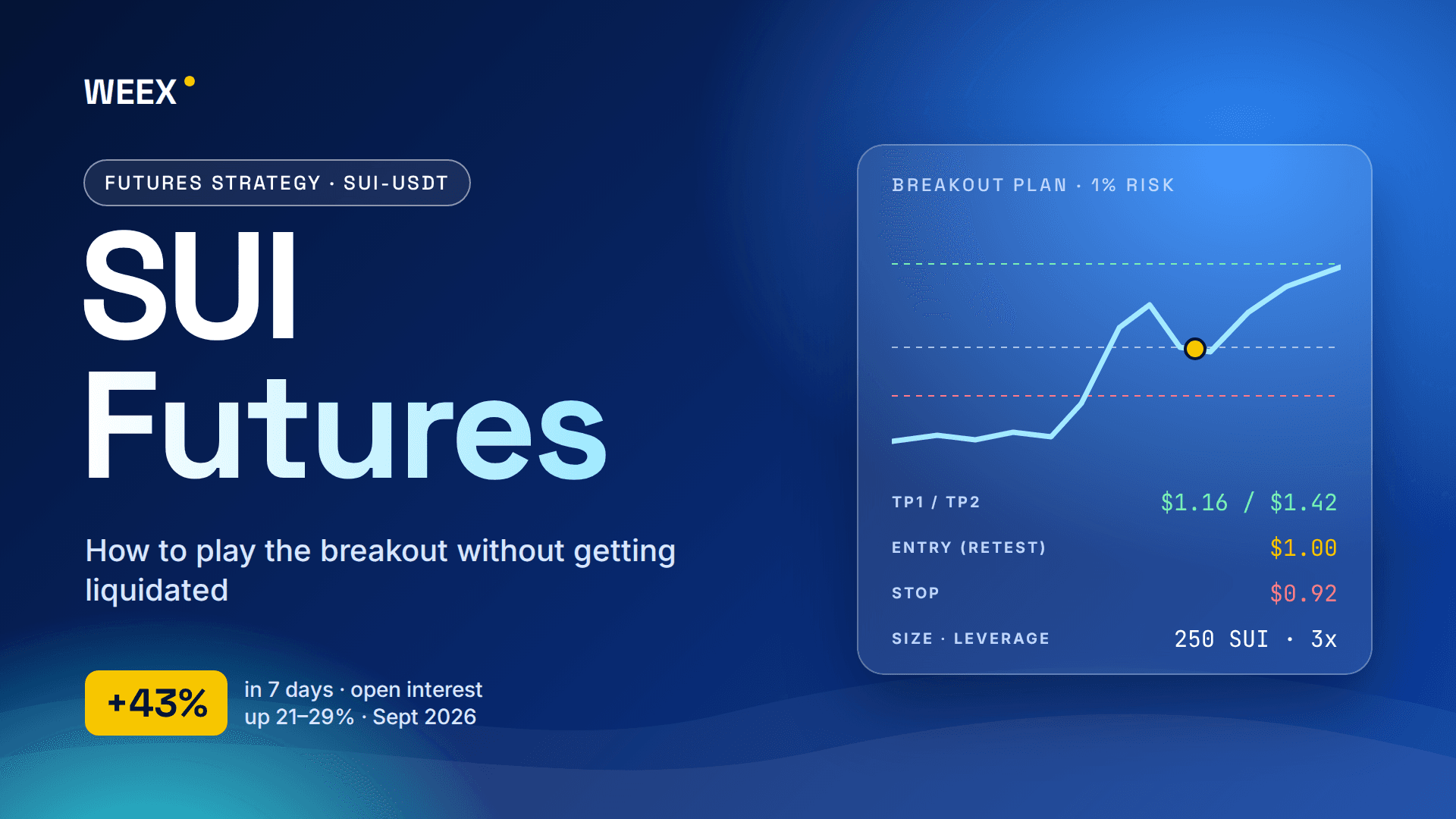
SUI Futures Trading: How to Play the Breakout Without Liquidation
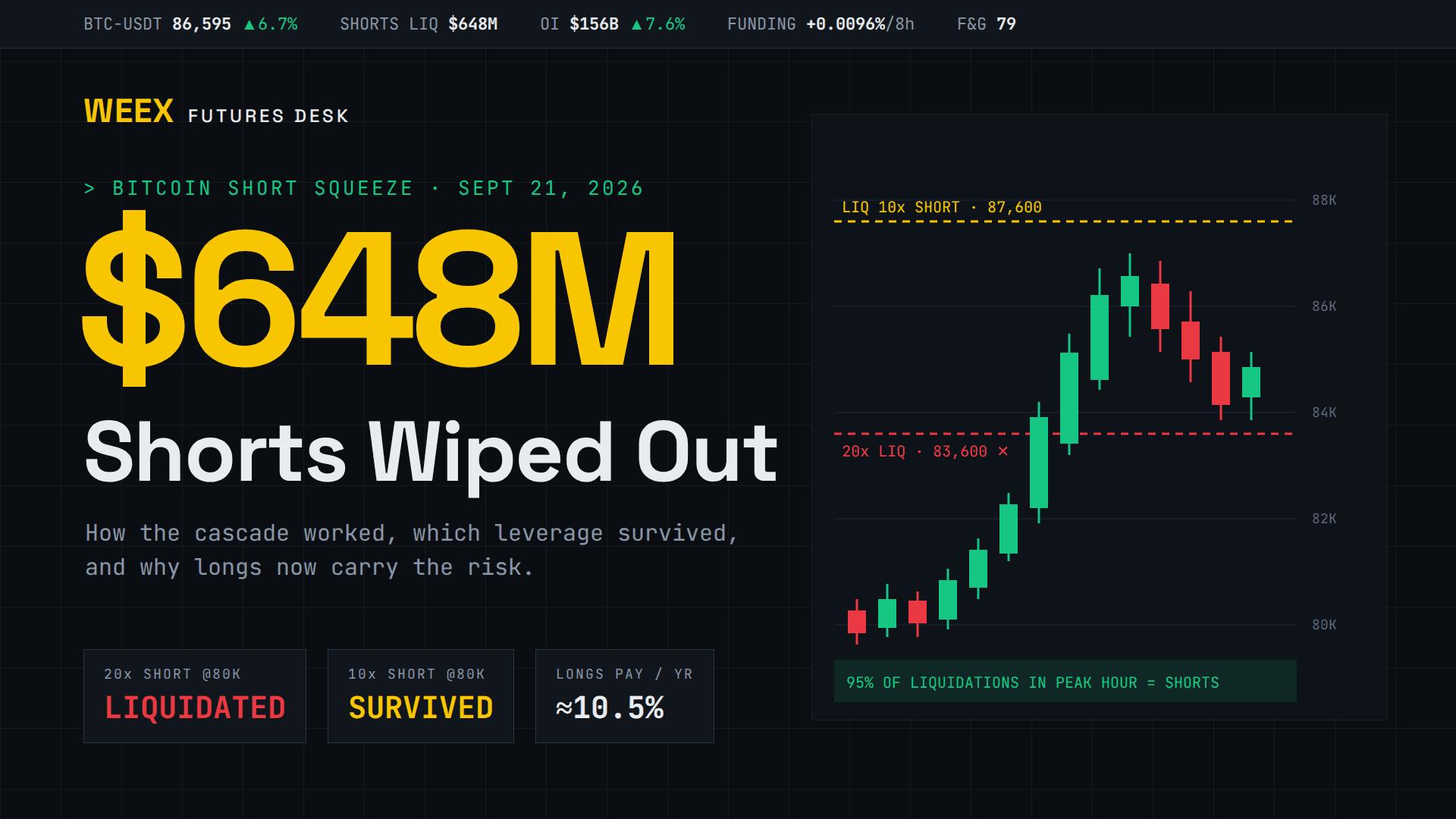
Bitcoin Short Squeeze Explained: Inside the $648M Sept 21 Wipeout
Best Crypto Cold Wallet 2026: Top Picks Matched to How You Hold
Crypto Futures Trading Explained: One Real Trade, Start to Exit
Crypto Leverage Trading: What 400x Leverage Actually Costs You
Crypto Liquidation: The Exact Price That Wipes Out Your Position
What Is Blockchain Used For? 2026 Uses, Ranked by Real Money
How to Buy USDT with EUR via SEPA Bank Transfer on WEEX
How to Buy Bitcoin with EUR in Europe on WEEX
How to Buy Crypto in Europe with EUR on WEEX OTC
How to Buy Crypto in Vietnam with VND on WEEX OTC
How to Buy USDT in Vietnam with VND via MoMo or Bank Account
What Is Lighter Crypto(LIT Crypto), and Why Is the LIGHTER Token Rising in September 2026?
FreeBitco.in Has Shut Down: What Users Should Know
Best Crypto Wallet 2026: Top Picks for Every Type of User
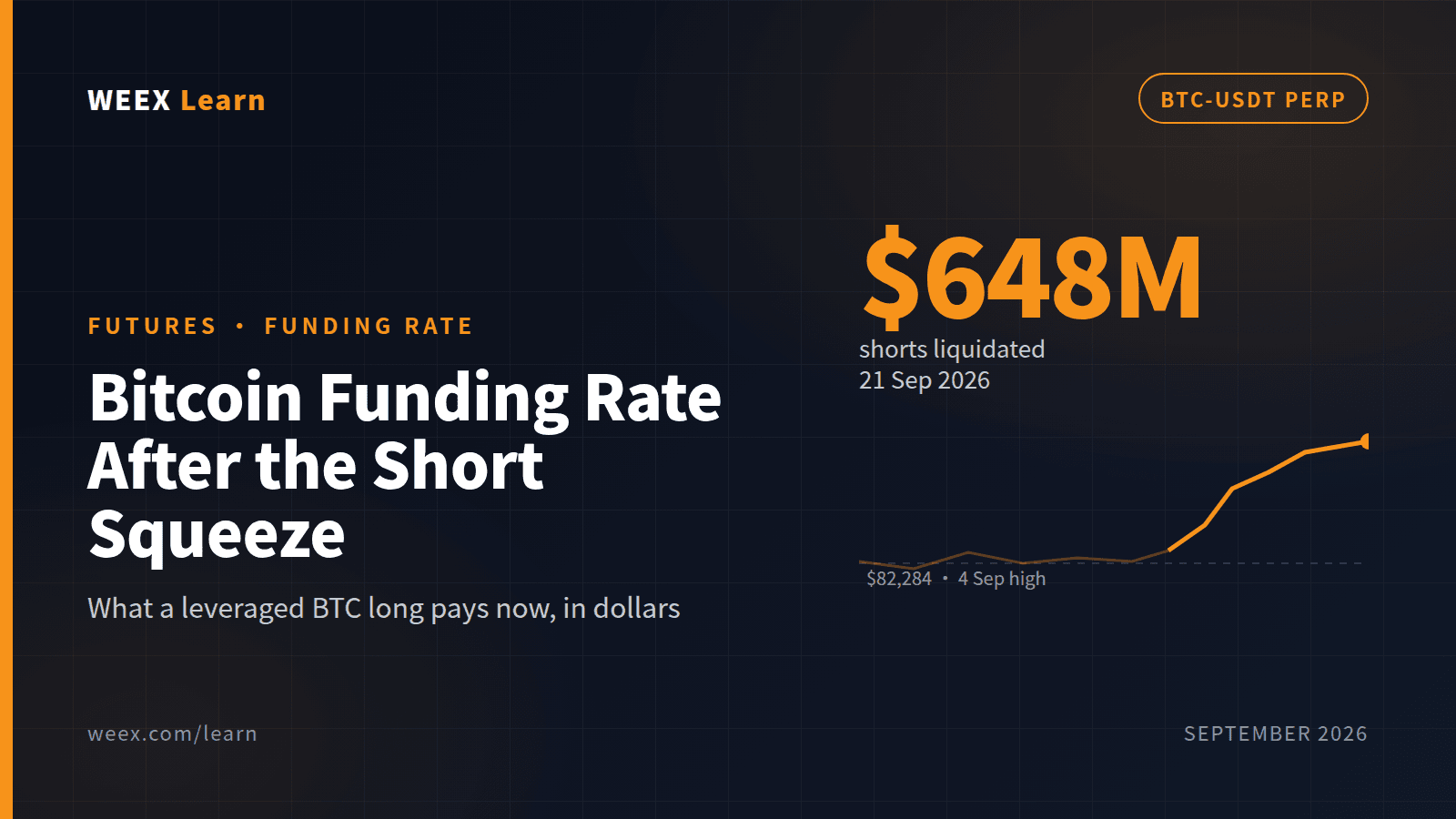
Bitcoin Funding Rate After a $648M Short Squeeze: What Longs Pay
How to Buy USDT in Brazil with BRL via PIX on WEEX OTC
How to Buy Bitcoin in Brazil with BRL on WEEX OTC
How to Buy Crypto in Australia with AUD on WEEX
How to Buy Bitcoin in Australia with Apple Pay, Google Pay or Card
How to Buy USDT in Japan with Apple Pay, Google Pay or Card
How to Buy Crypto in India with INR via UPI on WEEX
How to Buy Crypto in Japan with JPY on WEEX OTC
Pi Network vs Other Mobile Mining Projects: What's the Difference
How Does Mining Actually Work on Pi Network?
Crypto Liquidation Explained: Why $300M in Longs Got Wiped Out
Bitcoin Futures After the Fed Hike: How to Trade BTC Above $80K
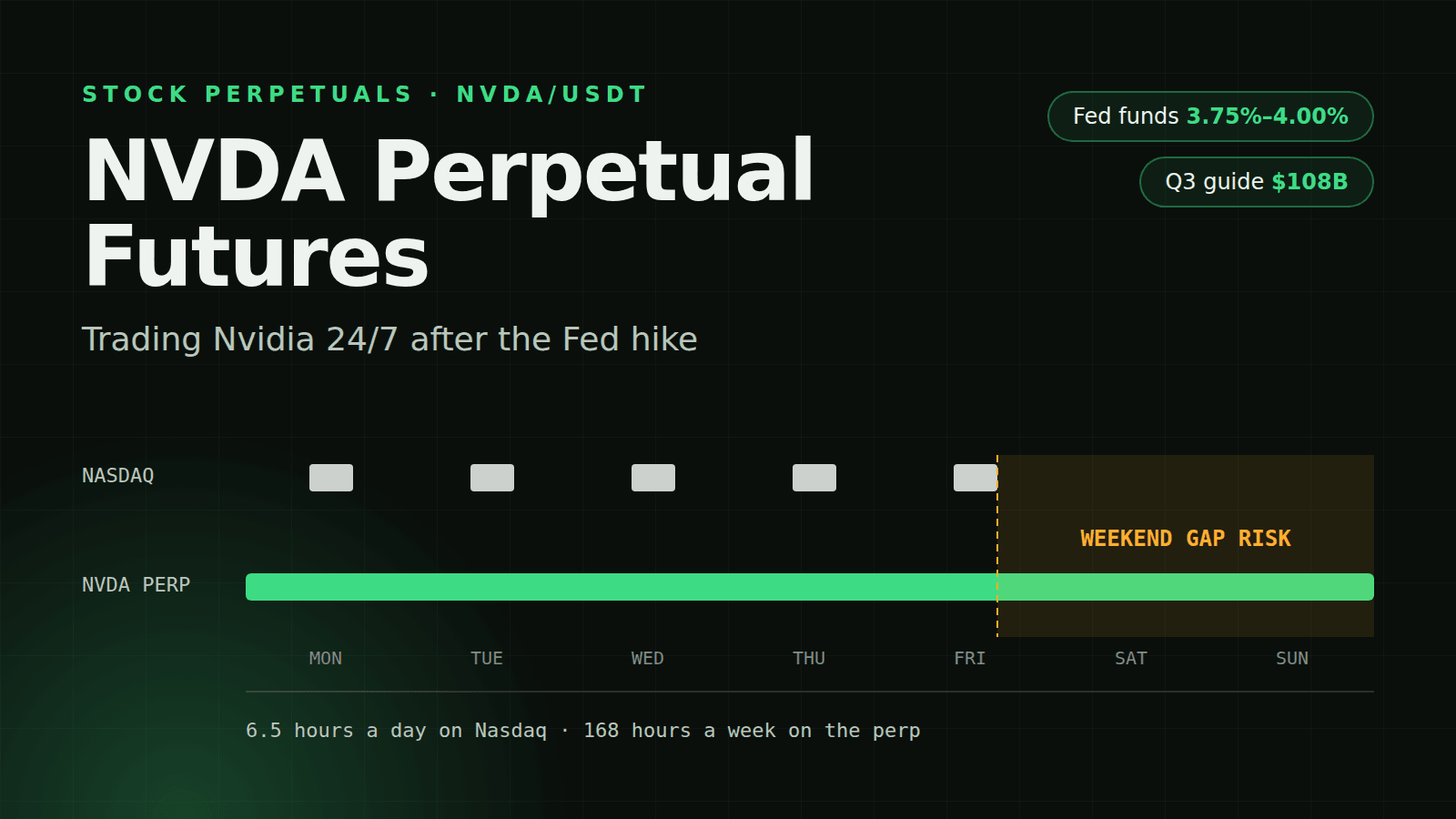
NVDA Perpetual Futures: Trading Nvidia 24/7 After the Fed Hike
Federal Reserve Interest Rates: Why Kevin Warsh Just Broke From Trump for the First Time
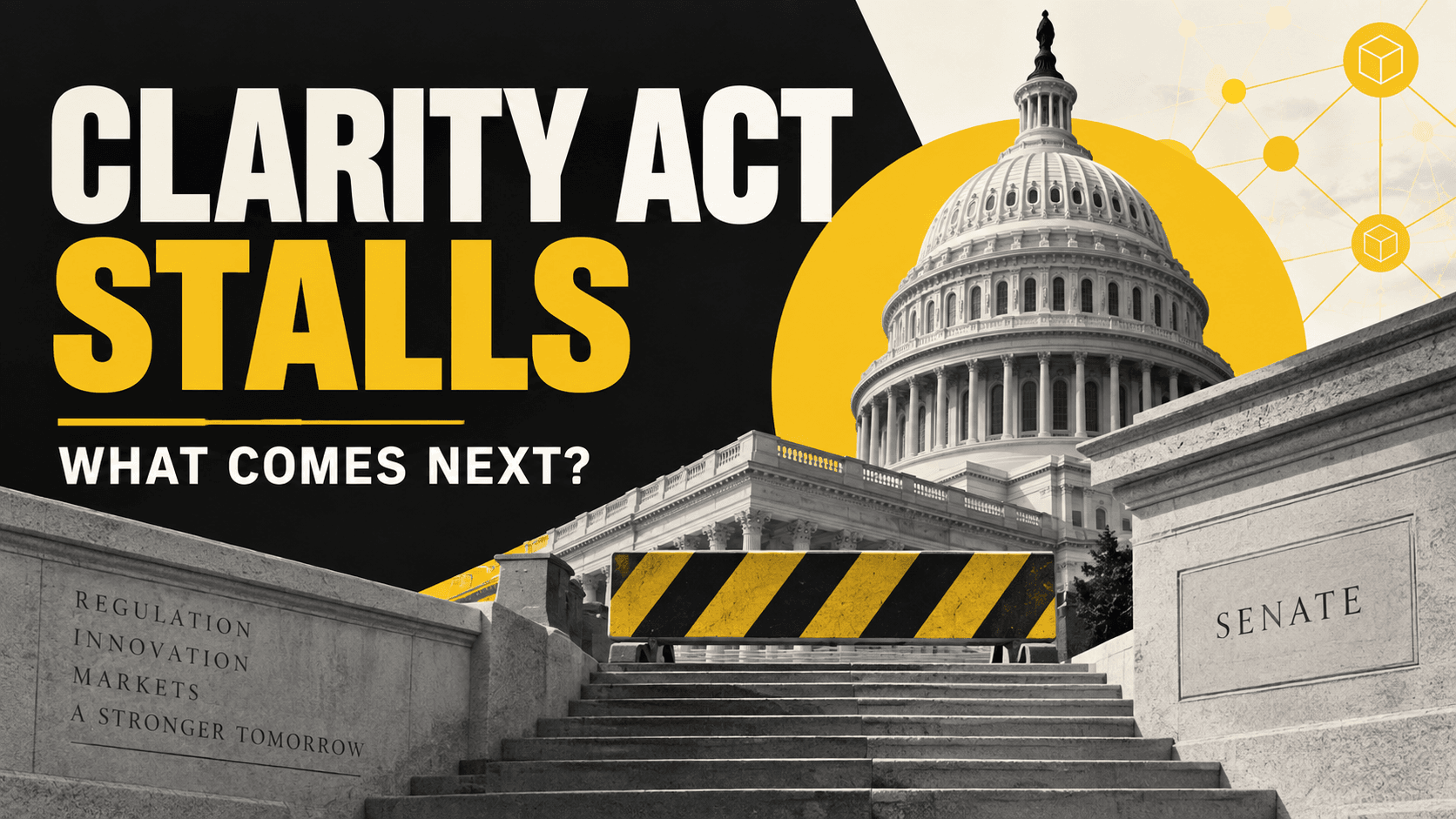
Why Did the CLARITY Act Fail in the Senate, and What Happens Next for Crypto Regulation?
SUI Futures Trading: How to Play the Breakout Without Liquidation
Bitcoin Short Squeeze Explained: Inside the $648M Sept 21 Wipeout
Best Crypto Cold Wallet 2026: Top Picks Matched to How You Hold
Crypto Futures Trading Explained: One Real Trade, Start to Exit
Crypto Leverage Trading: What 400x Leverage Actually Costs You
Crypto Liquidation: The Exact Price That Wipes Out Your Position


