
Coin Orders to the Most Favorable Exchange: Key Issue of 'Best Execution Duty' Emerges to Change Market Landscape

 Prefer us on Google


The Digital Asset Basic Law legislative proposal includes the 'Best Execution Duty', while the European MiCA has already been implemented.
Simulation results show that if more than half of the orders are intermediated, Upbit's market share will drop below 50%.
The battleground is 'depth of quotes' rather than price... Smaller firms with thin liquidity face limitations.
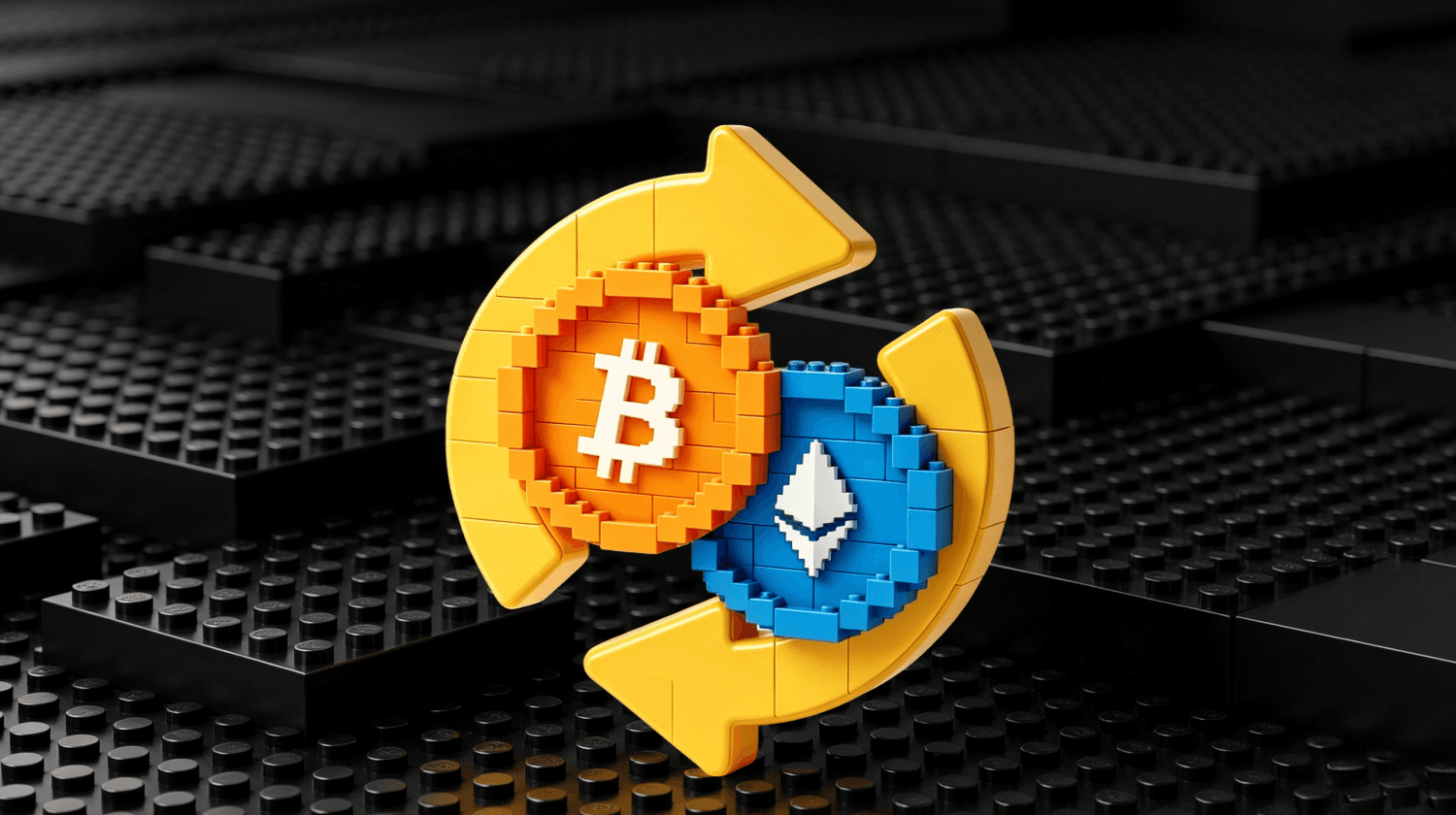
[Block Media Reporter Oh Soo-hwan] As discussions on the Digital Asset Basic Law continue, the inclusion of the 'Best Execution Duty' in the government proposal has emerged as a variable that could determine the landscape of exchanges. If the provision, already included in some legislative proposals, is adopted in the government proposal, it is expected to change the market structure centered around Upbit and Bithumb as investor orders move based on execution conditions. Exchanges with thin digital asset quote volumes will find it difficult to attract orders, and the benefits for each exchange will likely depend on liquidity.
According to the digital asset industry, the National Assembly, and financial authorities on the 8th, the legislative proposals by lawmakers Min Byung-deok and Park Sang-hyuk include the Best Execution Duty for digital asset brokers. This requires brokers to establish and publish order execution standards and process user trading orders accordingly. The best trading conditions and specific execution methods will be determined by presidential decree.
The Best Execution Duty is a system that requires brokers to process orders under conditions that are as favorable as possible for users, considering not only price but also fees and likelihood of execution. It aims to prevent brokers from processing orders in a way that is advantageous to themselves, thereby increasing users' trading costs, and to allow for post-execution checks of the order execution process.
Whether this will be reflected in the government proposal remains uncertain, but there are predictions that it will be considered. Kim Ik-hyun, a lawyer at Yulchon LLC, stated, "Since related provisions have been proposed in the legislative proposals and similar systems exist in the Capital Markets Act and European laws (MiCA), it can be sufficiently reviewed," adding, "If implemented, it could involve a comprehensive consideration of trading costs, including price, fees, likelihood of execution, order size, and depth of quotes."
He further noted, "Specific comparative factors or execution methods need to be carefully designed in subordinate regulations, considering the trading structure of the domestic market."
The Securities Market Has Already Implemented It... There Are No 'Brokers' in the Coin Market
The same system has already been introduced in the domestic securities market. For stocks traded on both the Korea Exchange and alternative trading platform NextTrade, securities firms determine the market to send orders based on their own best execution standards, comparing price, fees, and likelihood of execution. Investors place orders through one securities firm's app, but actual execution occurs at one of the two markets based on the conditions at the time of the order.
In contrast, there is currently no operator in the digital asset market that receives orders and sends them to multiple exchanges like a securities firm. The current legislative proposals require the establishment of such a brokerage operator. Kim Hyo-bong, a lawyer at Taepyeongyang LLC, stated, "For the Best Execution Duty to apply, brokers or similar intermediaries must exist, but there are currently no such operators in the domestic digital asset market," adding, "If securities firms are allowed to concurrently hold digital asset-related licenses, it seems feasible to introduce it."
As the brokerage function becomes institutionalized and activated, the power of the Best Execution Duty increases. Lawyer Kim Ik-hyun explained, "Even for the same digital asset, prices, fees, liquidity, and likelihood of execution can differ by exchange, so if there are operators that process orders among multiple execution venues, it is necessary to ensure execution under favorable conditions for users," stating, "As brokerage and order transmission businesses become institutionalized and market functions diversify, its significance will grow."
Regarding the linkage methods between digital asset exchanges, a phased approach is being discussed. An Kwang-ho, a researcher at Tiger Research, mentioned, "The previous report by the Financial Services Commission suggested that order book sharing should be allowed restrictively, based on the premise of fulfilling anti-money laundering obligations," adding, "If the government reflects this, it could consider a pilot operation by limiting participating operators and transaction scopes." However, he emphasized, "Order book sharing and the Best Execution Duty are separate issues, so standards for comparing price, fees, and likelihood of execution, as well as information linkage and responsibility scope among operators, must be established together."
The EU Introduced It First with MiCA... Responsibility Lies in 'Order Results' Rather than Corporate Separation
In the digital asset market, the European Union (EU) has introduced this obligation first. The EU imposed the Best Execution Duty on operators executing customer orders through the Virtual Asset Market Law (MiCA). Operators must establish order execution policies considering price, costs, execution speed and likelihood, and order size, and process orders according to those standards. The purpose is to reduce customers' trading costs and manage conflicts of interest where operators execute orders at unfavorable places for the sake of affiliate profits.
MiCA applies different obligations based on the type of work. It distinguishes between order execution, trading platform operation, and direct trading with customers, imposing separate obligations for each. Operators executing orders on behalf of customers must find favorable trading conditions for customers, while trading platform operators must have fair execution rules. Operators engaging in direct trading with customers must disclose prices or pricing methods and trade according to the conditions accepted by customers.
However, the distinction in work does not lead to corporate separation. MiCA does not mandate the corporate separation of brokerage firms and trading platforms, as it considers whether orders are processed favorably for customers as the core of customer protection, rather than whether the companies are separated. Even if the same company handles both tasks, it must adhere to the Best Execution standards and manage conflicts of interest, and the same obligations apply when using affiliated exchanges. Regardless of the operational method, the responsibility for customer orders lies with the operator.
Coinbase and Kraken's order execution policies. Produced by Block Media
As a result, local operators are operating their order execution policies in different ways according to their service structures. Coinbase has separated the Coinbase Luxembourg, which receives orders from European customers, from the actual trading venue. Coinbase Luxembourg is responsible for order execution, while in simple trading, it compares the order book prices of Coinbase Exchange with the quotes of liquidity providers (LPs). The list of execution venues for professional trading services includes external trading venues such as Bitstamp Europe and LMAX Digital.
Kraken operates direct trading and order execution on behalf of customers separately for each service. In simple trading, Kraken presents prices and becomes the direct counterparty for customers. In contrast, in Kraken Pro spot trading, it executes market and limit orders on behalf of customers.
If Half of Orders Are Intermediated, Upbit's Market Share Will Drop Below 50%... Gopax Remains Stagnant
If a system is introduced in Korea where brokers compare conditions from multiple exchanges and distribute orders like MiCA, changes in market share among exchanges are expected. Investor orders will move to exchanges with favorable execution conditions rather than the exchange they are registered with. An order placed through the A exchange app may actually be executed at the B exchange.
According to CoinGecko, from September 8 to October 7, the market share of the five major exchanges in Korea based on recent 30-day spot trading volume is Upbit 66.1%, Bithumb 25.1%, Coinone 6.5%, and Korbit 2.3%. Gopax is below 0.1%.
Simulation of market share of the five major exchanges in Korea based on the proportion of using intermediary services when the Best Execution Duty is introduced. If the proportion of intermediary use exceeds about 84%, Bithumb surpasses Upbit. Block Media has conducted its own simulation applying the MiCA-style order execution policy based on the current market share. The results show that as the proportion of orders going through intermediary services increases, Upbit's market share decreases. At a 25% intermediary proportion, Upbit's market share drops to 57.8%, and at 50%, it falls to 49.5%. If the proportion of intermediary services reaches 75%, Upbit's market share approaches 41.2%, while Bithumb reaches 37.0%. In an extreme case where all orders go through intermediary services, Upbit's market share drops to 32.9%, while Bithumb's rises to 40.9%, changing the top position.
In contrast to Upbit, the market shares of Bithumb, Coinone, and Korbit increased as the proportion of intermediary services grew. When the proportion of intermediary services is 50%, Bithumb rises to 33.0%, Coinone to 12.5%, and Korbit to 4.9%. If all orders go through intermediary services, Coinone could rise to 18.4%, and Korbit to 7.6%.
Some orders that were concentrated on Upbit are being distributed to other exchanges based on execution conditions. Lawyer Kim Hyo-bong predicted, "If the Best Execution Duty is imposed, the trading volume concentrated on Upbit will be significantly distributed to smaller exchanges."
However, the increase in market share for smaller exchanges varies significantly depending on liquidity. While Coinone and Korbit saw increases in market share, Gopax, with thin quote volumes, remained at around 0.2% even if all orders went through intermediary services. Even if it offers favorable prices to attract some volume, if the quote volumes are insufficient, the remaining orders will go to larger exchanges with abundant liquidity.
Kim Ik-hyun noted, "Considering liquidity and likelihood of execution, larger exchanges may still have advantages, so it cannot be said that the increase in market share for smaller exchanges will happen immediately," but added, "If smaller exchanges provide better trading conditions for specific assets, they may have opportunities to attract orders."
Researcher An Kwang-ho also pointed out, "Dividing orders among multiple exchanges may allow for more efficient use of existing quotes to reduce trading costs, but to attract orders, good prices and sufficient volumes must be continuously provided," emphasizing that the roles of market makers or liquidity providers are crucial for efficiently lowering trading costs.
How Was the Simulation Conducted?
Block Media's simulation was conducted under the assumption that brokers compare the buy and sell quotes and volumes of Bitcoin, Ethereum, and XRP across the five major exchanges simultaneously to distribute orders. The order amounts were divided from 100,000 KRW to 50,000,000 KRW, and the same fees were applied across exchanges. Buy orders were executed starting from the lowest quotes including fees, while sell orders were executed starting from the highest quotes excluding fees.
If the most favorable exchange has insufficient quote volumes, the remaining orders are transferred to the next most favorable exchange. For example, if a buy order of 50,000,000 KRW is placed and Coinone's lowest sell quote volume is 5,000,000 KRW, that amount is executed first, and the remaining 45,000,000 KRW is processed by comparing it with quotes from other exchanges. The average execution price of the entire order, rather than the displayed price, was used as the basis. The execution proportions calculated for each exchange were applied according to the proportion of using intermediary services (5-100%), while the remaining trading volume maintained the existing market share.
The quotes were collected simultaneously from five exchanges at 30-second intervals for about 10 minutes starting from 9:09 AM on the 8th. The results for each asset were weighted according to the 24-hour trading volume proportions of Upbit and Bithumb.
The Key Is the Linkage Between Exchanges... The Competitive Axis Will Shift to 'Execution Quality'
However, for this order distribution to function effectively in the actual market, the linkage infrastructure between exchanges must be established first. Researcher An stated, "The effectiveness depends on whether order transmission and settlement between exchanges operate stably," emphasizing the importance of verifying system stability and actual trading cost improvements alongside the introduction of the system.
There is also an opinion that it is not necessary to connect all exchanges in real-time. Lawyer Kim Ik-hyun explained, "The Best Execution Duty does not assume smart order routing that splits and transmits orders by comparing all exchanges in real-time, and the specific method depends on the design of the system."
He added, "Once the system is introduced, competition among exchanges may shift from securing users to focusing on execution quality, including price, cost, liquidity, and likelihood of execution."
Comments 0
-- Price
This content is provided for general informational purposes only and doesn't constitute financial, investment, legal, or tax advice. Any events, rewards, online promotions, or related information mentioned herein should not be considered a recommendation, solicitation, or invitation to purchase, sell, trade, or otherwise deal in any crypto assets. Crypto assets are highly volatile and may result in loss. The availability of WEEX services, products, and related events may vary by region. You are responsible for ensuring that your participation is in accordance with applicable local laws and regulations.
You may also like

WEEX Exclusive:September Fed Minutes Point to Another Hike This Year| WEEX TradFi Daily Brief (October 8, 2026)
Major equity indexes closed lower on October 7 ET. Long-end yields rose again, and the 30-year yield hit a roughly 24-year high. September Fed minutes showed most participants thought another increase in the federal funds target range before year-end could be appropriate. CME pricing for a 25 bp hike at the October 27–28 meeting has fallen below 20%, far below about 70% in the days after the September decision. Bitcoin traded near $83,300. The October 8 focus is jobless claims and pre-market earnings from Pepsi and Delta.
September Fed Minutes Point to Another Hike This Year| WEEX TradFi Daily Brief (October 8, 2026)
Major equity indexes closed lower on October 7 ET. Long-end yields rose again, and the 30-year yield hit a roughly 24-year high. September Fed minutes showed most participants thought another increase in the federal funds target range before year-end could be appropriate. CME pricing for a 25 bp hike at the October 27–28 meeting has fallen below 20%, far below about 70% in the days after the September decision. Bitcoin traded near $83,300. The October 8 focus is jobless claims and pre-market earnings from Pepsi and Delta.

Grayscale Adds BitGo as Custodian for Hyperliquid Staking ETF

Superfluid Founder: Why I Am Leaving the Crypto Space

The Emergence of Tokenized Stocks on Wall Street: 5 Key Points to Know

Winklevoss Files S-1 for Zcash ETF on Nasdaq

Wells Fargo in Talks with Kraken's Parent Company for Crypto Trading Liquidity Partnership

Mexico: Chamber of Deputies approves law to reduce cash usage

U.S. Investors Plan to Increase Bitcoin Holdings, Charles Schwab Survey Shows

Hypercall founder says options must simplify trading to compete with perps

Coinbase opens regulated route to Deribit markets for US institutions

Japan sells ¥2.6 trillion in foreign debt, Bitcoin investors should monitor bond market shifts
Capital Markets Increase Governance Requirements: Analysis by ID CTVM

Block Gifts 1 Bitcoin to ComplexCon Attendee

Sam Price Analyzes Bitcoin Market Turbulence

Budget 2027: Will we be able to give our Bitcoin at a lower cost?

"Put Your Accounts in Order": The IMF Scolds France on Its Record Debt

Glassnode: BTC rebound above 85000 lacks volume and new capital
Polygon Will Not Close - A Joke That Doesn't Sit Well with Its Community

$2.39 Billion Investment in Bitcoin ETFs, Spot Demand Remains Negative

Engineer Sentenced to 32 Months for Bitcoin Extortion Against Employer

LBTC Yield Ledger: The New Equation Between Yield and Self-Custody

唐华斑竹 Reveals GOAT Network's Bitcoin Security Advantages

Whale Withdraws 110 Million Lobsters, USDT Identified as Key Channel for Iran's Shadow Banking

Bitcoin Faces the Shadow of the 10/10 Crash, Oil Prices Become a New Threat - Fintech World
Europol Warns Crypto Wallets Are 'Primary Risk' for Quantum Attacks

BingX Executive Claims Wealthy Investors Have Longer Bitcoin Holding Periods

Russia approves first crypto exchanges and custodians under new rules

Zcash's Anonymous Network to Triple Transaction Speed in November: What It Means for Blockchain

Ledger Launches Bitcoin Loans for Holders to Borrow Without Selling
WEEX Exclusive:September Fed Minutes Point to Another Hike This Year| WEEX TradFi Daily Brief (October 8, 2026)
Major equity indexes closed lower on October 7 ET. Long-end yields rose again, and the 30-year yield hit a roughly 24-year high. September Fed minutes showed most participants thought another increase in the federal funds target range before year-end could be appropriate. CME pricing for a 25 bp hike at the October 27–28 meeting has fallen below 20%, far below about 70% in the days after the September decision. Bitcoin traded near $83,300. The October 8 focus is jobless claims and pre-market earnings from Pepsi and Delta.
September Fed Minutes Point to Another Hike This Year| WEEX TradFi Daily Brief (October 8, 2026)
Major equity indexes closed lower on October 7 ET. Long-end yields rose again, and the 30-year yield hit a roughly 24-year high. September Fed minutes showed most participants thought another increase in the federal funds target range before year-end could be appropriate. CME pricing for a 25 bp hike at the October 27–28 meeting has fallen below 20%, far below about 70% in the days after the September decision. Bitcoin traded near $83,300. The October 8 focus is jobless claims and pre-market earnings from Pepsi and Delta.
Grayscale Adds BitGo as Custodian for Hyperliquid Staking ETF
Superfluid Founder: Why I Am Leaving the Crypto Space
The Emergence of Tokenized Stocks on Wall Street: 5 Key Points to Know
Winklevoss Files S-1 for Zcash ETF on Nasdaq
Contents
Latest articles




Latest coin listings on WEEX


